
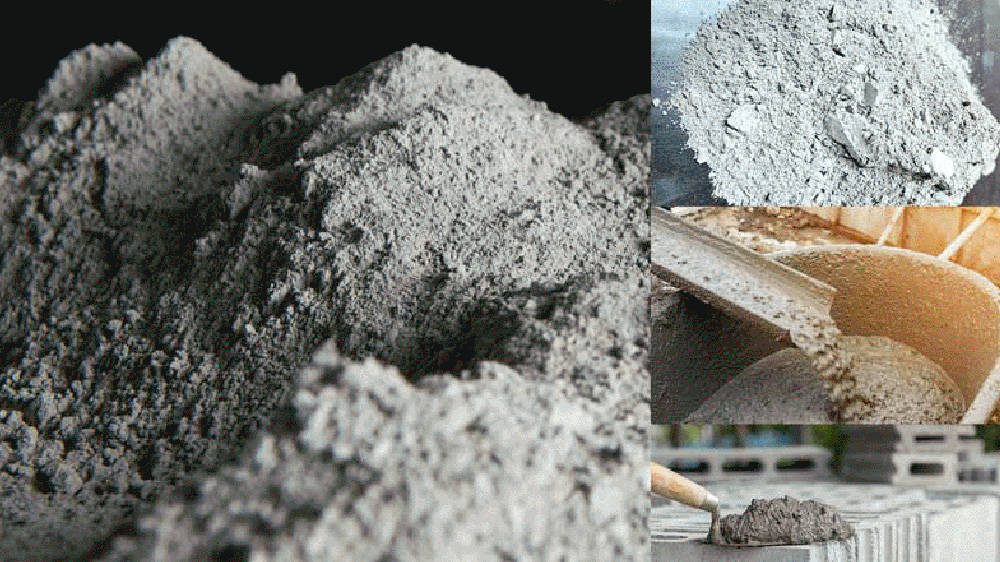
There are several types of cement used in construction, each with its own specific properties and applications. Some of the most common types of cement include:
Ordinary Portland Cement (OPC): This is the most widely used type of cement and is suitable for general construction purposes. OPC comes in different grades, such as OPC 33, OPC 43, and OPC 53, based on their compressive strength.
Portland Pozzolana Cement (PPC): PPC is a blend of OPC and pozzolanic materials like fly ash, which makes it more durable and suitable for structures exposed to aggressive environments.
Rapid Hardening Cement: This type of cement gains strength quickly and is used for repair and maintenance work where fast setting and early strength development are required.
Low Heat Cement: Low heat cement generates less heat during hydration and is often used in massive concrete structures to reduce the risk of thermal cracking.
Sulfate-Resistant Cement: This cement is designed to resist the damaging effects of sulfate ions present in soil or water, making it suitable for marine and underground construction.
White Cement: White cement is used when a white or colored finish is desired. It is often used in architectural and decorative applications.
Blast Furnace Slag Cement (BFSC): BFSC is made from a mixture of blast furnace slag, clinker, and gypsum. It offers improved durability and is used in structures subjected to aggressive environments.
High Alumina Cement: High alumina cement is used in applications where high heat resistance and rapid hardening are needed, such as in refractory castables and certain specialized construction projects.
Oil Well Cement: This type of cement is specially formulated for use in oil and gas well construction and is designed to withstand high temperatures and pressures.
Masonry Cement: Masonry cement is used in masonry work like bricklaying and plastering. It is a combination of Portland cement and additives.
Expansive Cement: Expansive cement expands slightly while hardening, making it suitable for applications where controlled expansion is required, such as in grouting and repair work.
Colored Cement: Colored cement is similar to white cement but is tinted with pigments to achieve a desired color. It’s often used in decorative concrete applications.
High-Early-Strength Cement: This cement is engineered to achieve high strength in a short amount of time, typically within a few days, and is used in projects requiring quick turnaround.
The choice of cement type depends on the specific requirements of the construction project, including factors like strength, durability, setting time, and environmental conditions. It’s important to select the right tyWhat is Cement?
Cement is an essential building material used in construction, infrastructure, and decorative purposes. It is a fine powder that hardens when mixed with water and is known for its strength and durability. Cement is a versatile material that can be used in various forms, making it a popular choice for builders and DIY enthusiasts alike.
The History of Cement
The use of cement dates back to ancient times, when it was used in the construction of buildings and structures. The Romans were known for their use of cement, which they made by mixing volcanic ash with lime. In the 19th century, Portland cement was invented, which revolutionized the construction industry and became the most widely used type of cement.
The Composition of Cement
Cement is made up of several components, including limestone, clay, and gypsum. These materials are crushed and ground into a fine powder, which is then heated in a kiln at high temperatures. The resulting product, known as clinker, is then ground into a fine powder and mixed with other materials, such as gypsum, to create the final product.
The Science Behind Cement
The hardening of cement is a chemical process known as hydration. When cement is mixed with water, it reacts with the water molecules to form calcium silicate hydrate and calcium hydroxide. These compounds are responsible for the strength and durability of cement.
Types of Cement
There are several types of cement available, each with its own unique properties and uses. Some of the most common types of cement include:
Portland Cement
Portland cement is the most widely used type of cement and is used in a variety of applications, including construction, infrastructure, and decorative purposes. It is known for its strength and durability and is available in several different grades.
White Cement
White cement is a type of cement that is used in decorative applications, such as the construction of statues and monuments. It is made from raw materials that are low in iron and magnesium, which gives it its distinctive white color.
Colored Cement
Colored cement is a type of cement that is used in decorative applications, such as the construction of colored concrete. It is available in a variety of colors and is made by adding pigments to the cement mix.
Oil Well Cement
Oil well cement is a type of cement that is used in the construction of oil wells. It is designed to withstand high temperatures and pressures and is made from a blend of Portland cement and other materials.
Masonry Cement
Masonry cement is a type of cement that is used in the construction of masonry structures, such as brick walls and chimneys. It is made from a blend of Portland cement, lime, and other materials and is known for its strength and durability.
Uses of Cement
Cement is used in a variety of applications, including:
Construction
Cement is used in the construction of buildings, bridges, roads, and other structures. It is known for its strength and durability and is an essential building material.
Infrastructure
Cement is used in the construction of infrastructure, such as dams, tunnels, and airports. It is known for its ability to withstand high pressures and temperatures, making it an ideal material for these types of structures.
Decorative Purposes
Cement is used in decorative applications, such as the construction of statues, monuments, and fountains. It is available in a variety of colors and can be molded into various shapes and sizes.
DIY Projects
Cement is a popular material for DIY projects, such as the construction of garden paths, retaining walls, and outdoor furniture. It is easy to work with and can be molded into various shapes and sizes.
How to Use Cement
Using cement requires several steps, including:
Preparation
Before using cement, it is important to prepare the surface and gather all necessary tools and materials. The surface should be clean and free of debris, and all tools and materials should be within reach.
Mixing
Cement should be mixed with water according to the manufacturer’s instructions. It is important to mix the cement thoroughly to ensure a consistent mixture.
Application
Cement should be applied to the surface using a trowel or other tool. It should be spread evenly and smoothed out to ensure a consistent finish.
Curing
Cement should be allowed to cure for a specified amount of time, depending on the type of cement and the application. During this time, it should be kept moist to prevent cracking.
Tips and Tricks for Working with Cement
Working with cement can be challenging, but there are several tips and tricks that can make the process easier, including:
Safety Precautions
It is important to wear protective gear, such as gloves and goggles, when working with cement. Cement can be caustic and can cause skin and eye irritation.
Common Mistakes to Avoid
Common mistakes when working with cement include using too much water, not mixing the cement thoroughly, and not allowing enough time for curing.
Troubleshooting Tips
If problems arise when working with cement, such as cracking or uneven surfaces, there are several troubleshooting tips that can help, including adding more cement to the mixture or using a different type of cement.
Conclusion
Cement is an essential building material that is used in a variety of applications. From its history and composition to its various types and uses, this comprehensive guide has provided practical insights and expert guidance for a diverse readership. Whether you’re a DIY enthusiast, construction professional, or simply curious about the science behind cement, this guide has something for everyone. The importance of cement in modern society cannot be overstated, and it is essential to follow proper procedures and safety precautions when working with this versatile material.pe of cement to ensure the longevity and performance of the structure.
What type of cement most use in Bangladesh?
ChatGPT
In Bangladesh, the most commonly used type of cement is Ordinary Portland Cement (OPC). OPC is widely used in construction projects throughout the country for various applications, including residential, commercial, and infrastructure projects.
OPC is preferred for its versatility and suitability for general construction purposes. It is available in different grades such as OPC 33, OPC 43, and OPC 53, with each grade having different compressive strength characteristics. The choice of the specific grade depends on the requirements of the construction project.
In addition to OPC, Portland Pozzolana Cement (PPC) is also used in Bangladesh. PPC is a blend of OPC and pozzolanic materials like fly ash or rice husk ash. It offers enhanced durability and is often used in structures exposed to aggressive environments, including those in coastal areas where saltwater exposure is a concern.
The choice of cement type in Bangladesh, as in many other countries, depends on factors such as the project’s location, design specifications, environmental conditions, and cost considerations. However, OPC remains the most commonly used cement type for general construction in Bangladesh.
User
What type of cement is best for building construction?
ChatGPT
The type of cement that is best for building construction depends on various factors, including the specific requirements of the project, environmental conditions, and budget considerations. Here are some common types of cement used in building construction and their suitability for different applications:
Ordinary Portland Cement (OPC): OPC is the most commonly used cement for building construction. It is suitable for a wide range of applications, including foundations, walls, columns, and general structural elements. OPC comes in different grades (OPC 33, OPC 43, OPC 53) based on compressive strength, and the choice depends on the structural requirements of the project.
Portland Pozzolana Cement (PPC): PPC is a good choice when durability is a concern. It is suitable for building construction in areas with aggressive environmental conditions, as it contains pozzolanic materials (like fly ash) that improve resistance to chemical attacks and reduce the risk of cracks.
Rapid Hardening Cement: When you need quick setting and early strength development, such as in repair work or precast concrete elements, rapid hardening cement is a suitable choice.
Low Heat Cement: In massive concrete structures, like dams and large foundations, low heat cement is used to minimize the risk of thermal cracking due to the heat generated during hydration.
White Cement: White cement is used for decorative and architectural purposes when a white or colored finish is desired.
Sulfate-Resistant Cement: When building in areas with high sulfate content in the soil or water, sulfate-resistant cement helps prevent damage from sulfate attack.
Blast Furnace Slag Cement (BFSC): BFSC is suitable for construction in aggressive environments and is often used in marine structures and industrial buildings.
High Alumina Cement: High alumina cement is used for applications requiring high heat resistance, such as in refractory castables and certain industrial structures.
Colored Cement: For decorative concrete and architectural projects where color is a design element, colored cement is used.
High-Early-Strength Cement: When quick construction turnaround is necessary, high-early-strength cement can help achieve high strength in a short period.
The choice of cement type should be made in consultation with structural engineers and architects, considering the specific requirements of the building and the environmental conditions at the construction site. Additionally, local building codes and regulations may also influence the selection of cement type for building construction.